
"Fairtrade certification"
90 article(s) found
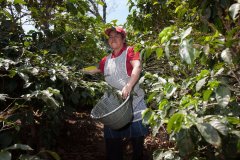
A cup of Fairtrade coffee gives coffee farmers in Central and South America a democratic dream.
Professional baristas exchange please pay attention to coffee workshop (Wechat official account cafe_style) Fair Trade is a consumer movement initiated by European and American non-profit organizations. Fifty or sixty years ago, they felt that bananas, coffee and other bulk substances that had been widely used in their lives for a long time came from poor third World countries, but the wages of local farmers were far lower than the poverty line, so they initiated their own initiative.
What's the difference between fair trade and direct trade in coffee? Starbucks Fair Trade Coffee
Professional coffee knowledge exchange more information about coffee beans Please follow the coffee workshop (Wechat official account cafe_style) Coffee, which is the second largest commodity in the world after oil. Like other agricultural products, the price will follow? The harvest fluctuates. In order to maintain the livelihood of millions of people in the global coffee industry chain, since 1962, exporting and importing countries have participated in and formulated the International Coffee Agreement (Int).

Discussion on the Feasibility of Fair Trade in Yunnan Coffee
Fair trade is a non-traditional trade method that improves the living conditions of small-scale producers and provides opportunities for sustainable development for disadvantaged producers in a short period of time. In recent years, fair trade system has been gradually perfected, forming a fair trade policy based on producer and recognition.
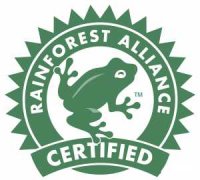
Tropical Rainforest Alliance Certification and Fair Trade Coffee Organization
Tropical Rainforest Alliance Certification and Fairtrade Coffee Organization, to put it simply, is to enable us consumers to continuously and reasonably produce safe and delicious coffee; therefore, Fairtrade Coffee advocates that producers must be paid the appropriate equivalent price when dealing with producers in order to maintain a good partnership and ensure that producers have sufficient funds to continue production. The cultivation of coffee

Introduction to the growing environment and planting requirements of coffee trees
Growth environment and planting requirements of coffee beans | Natural environment and characteristics of coffee beans suitable for growth. Wen Honggang, coffee, Sichuan baristas club, Yunnan Yitian boutique coffee farm. Certified Coffee Certified Organic Coffee is grown without synthetic pesticides, herbicides or fertilizers, which helps keep healthy soil and groundwater pure. And coffee beans must also be certified organic workers.
How to choose Fairtrade Fairtrade Coffee from Sunshine Cooperative in Cajamaka producing area of Peru
Peru coffee Peru (Peru) is also a major coffee producer. Peruvian coffee producing areas: up to 98% of Peruvian coffee is grown in forest areas, and most of the producers are small farmers. Peru's finest coffee is produced in Chanchmayo, Cuzco, Norte and Puno. Most Peruvian coffee is grown under natural conditions.
Starbucks Coffee and Fairness regulations for growers-how are Starbucks coffee beans purchased?
Professional coffee knowledge exchange more coffee bean information please follow the coffee workshop (Wechat official account cafe_style) Starbucks coffee beans Starbucks ethical procurement is based on coffee and fair norms for growers. In 2001, Starbucks worked with Conversation International,CI, a non-profit environmental organization, to develop guidelines for coffee procurement

What is Fair Trade and Direct Trade? What is the difference between fair trade and direct trade?
Professional coffee knowledge exchange More coffee bean information Please pay attention to coffee workshop (Weixin Official Accounts cafe_style) Whether you are a professional or a simple coffee lover, almost all coffee circles will appear these terms. But what is the real difference between these two trade patterns? What does coffee mean to us? This article provides all about fair trade and direct trade

Is Guatemalan coffee the best? Is there fair trade certification for Antigua coffee in Guatemala?
Professional coffee knowledge exchange more coffee bean information please follow Coffee Workshop (Wechat official account cafe_style) Guatemala, the cradle of top coffee in Guatemala with extended mountains and great microclimate changes, in recent years, driven by national efforts to promote the development of coffee industry, both quality and planting methods have been greatly improved and changed, becoming an international top coffee supplier.

Organic and Shade planting-- the ambition of small Coffee Farmers' Cooperative in Papua New Guinea
Professional baristas Please follow Coffee Workshop (Wechat official account cafe_style) Independent State of Papua New Guinea (PNG) is an island country in the southwestern Pacific Ocean, and coffee is the only cash crop in the highlands of Papua New Guinea. More than 2 million small farmers in Pakistan depend on their families.

The story of the origin of PNG coffee in Papua New Guinea is the coffee good in Papua New Guinea?
More information on coffee beans Please follow Coffee Workshop (Wechat official account cafe_style) Papua New Guinea (Independent State of Papua New Guinea, referred to as PNG) is an island country in the southwestern Pacific Ocean, and coffee is the only cash crop in the highlands of Papua New Guinea. There are more than 2 million people in Pakistan.
The Story of Kenya Coffee beans Kenya AA are uncertified Fairtrade coffee beans
Professional coffee knowledge exchange more coffee bean information Please follow the coffee workshop (Wechat official account cafe_style) recently there are several regular customers who are very happy to know that we are selling Fairtrade beans! However, with regard to Fairtrade beans, what we pursue is the imprint of the trademark or the pursuit of the spirit of fair care. Generally speaking, it is relatively hot in the market
The export of fair trade coffee in our province is off to a good start
Please follow the exchange of professional baristas. The Pu'er Inspection and Quarantine Bureau of the coffee workshop (official Wechat account cafe_style) said that after being tested by the bureau, a batch of Fairtrade coffee with a quantity of 79.2 tons and a value of US $279800 was successfully exported overseas a few days ago, with both volume and value exceeding 300% compared with the same period last year, effectively promoting Yunnan's coffee foreign trade. Fairtrade coffee is straight with a fair price.

World Coffee Bean Certification what is the direct trade coffee certification? What is the specific content?
What is direct trade coffee? Direct trade coffee is a coffee roaster that buys coffee directly from growers, interweaves traditional middlemen, buyers and sellers, and also organizes the use of a term such as fair trade and bird-friendly control certification. Supporters of direct trade, for example, say their models are the best because they establish mutual benefit with individual producers or cooperatives in coffee-producing countries.
A detailed introduction to the historical development and content of Fairtrade coffee certified by coffee beans in the world
Fairtrade coffee is mainly traded directly with local coffee farmers at a fair price. In a transparent management model and commercial form. The premise of ensuring the working environment of producers and protecting the local environment. At the same time, provide corresponding production technology and training, build bridges, schools, hospitals and other facilities. The aim is for sustainable development and poverty alleviation. Directory background
The Truth of Fair Trade in a Cup of Coffee
Fair Trade is a social movement launched by developed countries to provide fairer terms of trade through a number of international aid organizations to protect the rights and interests of workers and producers in poor countries. Some economists believe that "fair trade" is essentially a form of subsidy, which hinders economic development and cannot eradicate the problem of poverty.

"dispatch from coffee producing areas" follows coffee travelers to learn about coffee ecology in third World countries.
Professional coffee knowledge exchange more coffee bean information please follow the coffee workshop (Wechat official account cafe_style) coffee history and coffee beans introduction to manual brewing equipment espresso coffee roasting books recommended [urgent from coffee origin: X40,000 km in 9 countries, a traceability record of a human rights lawyer] author: Dean. Saikang Press: Facebook for developed countries

Organic coffee beans cultivation characteristics_The impact of organic certification on coffee price quality flavor characteristics
Professional coffee knowledge exchange More coffee bean information Please pay attention to coffee workshop (Weixin Official Accounts cafe_style) One of the most emphasized concepts in boutique coffee is one thing that ordinary commercial coffee does not have, which is traceability. But with the rise of ethical consumerism, more and more customers, bakers and consumers alike, demand not only traceability but openness.
A brief understanding of coffee certification logo all kinds of coffee bean certification logo pattern
Professional coffee knowledge exchange more coffee bean information Please follow the coffee workshop (Wechat official account cafe_style) Coffee Certificate what are there? SCA Coffee Diploma six modules, CQI international certification for sustainable development of coffee, refers to the coffee that consumers can feel at ease to taste. Care for coffee producers and production environment in order to continue to drink delicious coffee. Coffee is second only to coffee in the world
Direct trade coffee
What is direct trade coffee? Direct trade coffee is a coffee roaster that buys coffee directly from growers, interweaves traditional middlemen, buyers and sellers, and also organizes the use of a term such as fair trade and bird-friendly control certification. Supporters of direct trade, for example, say their models are the best because they establish mutual benefit with individual producers or cooperatives in coffee-producing countries.